
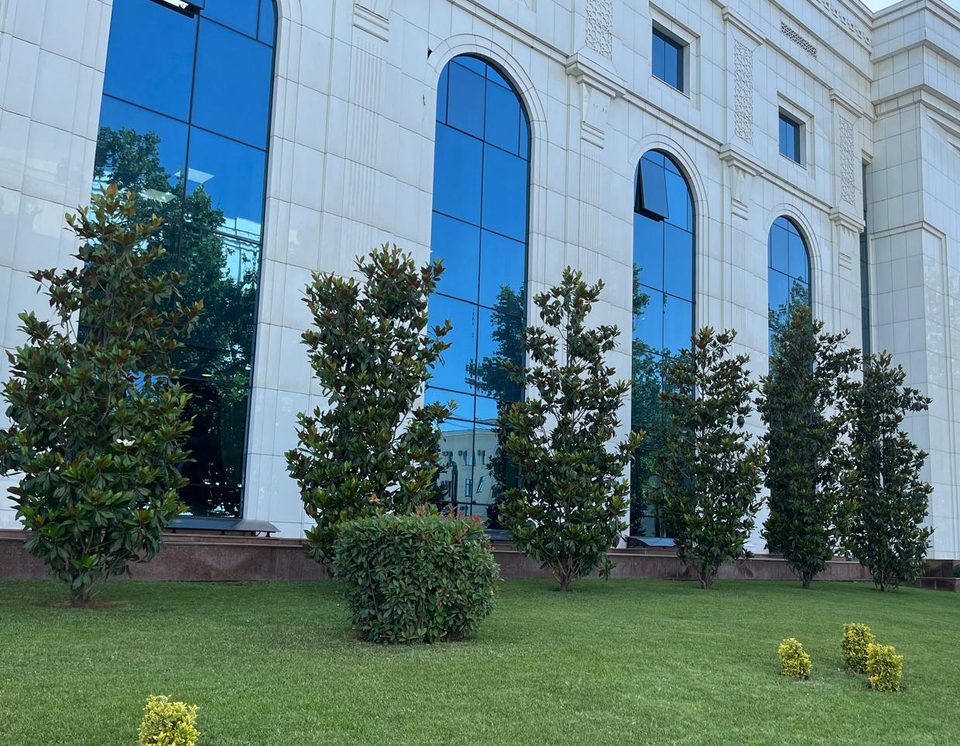
The country: Uzbekistan on the move
Uzbekistan lies at the heart of Central Asia. Cities such as Tashkent, Samarkand and Bukhara combine a long history with modern everyday life.
According to the World Bank, Uzbekistan has around 37 million inhabitants, and just over 31 percent of them are younger than 15.
According to the World Bank, the economy grew by 7.7 percent in 2025.
The economy, technology and education are developing noticeably. Many young people are finding their way into working life, also beyond the borders of their country.
How training works in Uzbekistan
After school the vocational route runs through colleges and technikums. Young people learn a trade there with a strong practical share.
Universities award degrees as Bakalavr and Magistr. Engineering, medicine and agriculture are well represented.
Many candidates learned their trade on the job, often with long work experience. A certificate for it does not always exist, so we record openly what is documented.
As a rule we place candidates with a completed vocational training of at least two years with a certificate. With us, work practice without a certificate usually does not replace this training.
- College or technikum: vocational training after school, close to practice.
- Bakalavr: first university degree.
- Magistr: the degree building on it.
- Practical experience: often without a certificate, but with long service.
Language and preparation
The official language is Uzbek, written in the Latin alphabet. Russian is widely used at work.
There are language schools in the country where young people learn German. There they also prepare for work abroad.
We aim to work with language schools and training centres in Uzbekistan. We are building these links now.
We record language levels on the European scale from A1 to C2. Anyone attending a course enters the target level and the exam date.
As a rule we place candidates with German at level A2 or higher and a recognised certificate (ÖSD, telc or comparable). They also bring a completed vocational training of at least two years with a certificate. Candidates can register before that and add the language certificate later.
Tell us early which level your role requires. We then align the pre-selection with it.
Working together as equals
We value Uzbekistan, its people and its culture. Hospitality and mutual respect shape our encounters there.
We do not only place people, we support them. Skilled workers and companies can reach us all along the way.
Our aim is long-term cooperation that benefits skilled workers and companies alike. Skilled workers gain experience and develop professionally and in the language. Companies should find staff who suit them and like to stay.
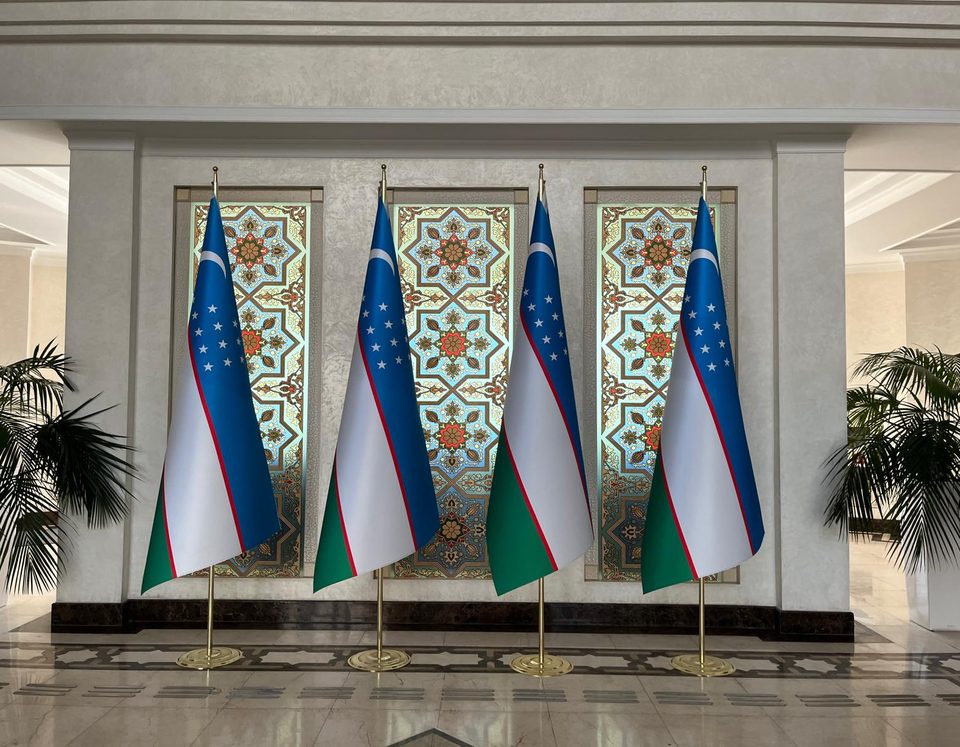
Tashkent
How we work
Permanent partners work for us in Uzbekistan. They speak Uzbek and Russian and know the training institutions of the region.
The employment contract is made directly between the skilled worker and your company. Regalis employs nobody and hires out nobody.
Candidates pay nothing for the placement. If anyone asks for money, that is a warning sign and should be reported to us. Every partner has a code that candidates can confirm on our verification page.
The page “How it works” shows the process in detail. What the placement costs is set out on the page “Costs and process” and in our documents.
- You report your staffing need with occupation, conditions and preferred start date.
- Our local partners approach suitable candidates and make a pre-selection.
- We check the documents before a profile reaches you.
- You receive profiles without names and choose whom you want to meet.
- After your acceptance you sign the employment contract directly with the skilled worker.
- We support the way to the first day at work. After arrival, the company guides the first steps.
Industries
Our focus is on skilled trades, metalwork, care, and hospitality and hotels. We also place staff in construction, electrical work, logistics and production.
The list below shows what companies often ask us for. It says nothing about the number of candidates available.
- Electricians, plumbing and heating engineers and other skilled trades
- Welders, metalworkers and steel fabricators
- Care assistants and support staff in care homes
- Chefs, kitchen assistants and service staff
- Hotel staff for reception and housekeeping
- Bricklayers, concrete workers, drywall fitters and site assistants
- Lorry drivers, forklift operators and warehouse staff
- Machine operators and production assistants
Recognition and competent bodies
A certificate from Uzbekistan is not valid in Germany automatically. Whether recognition is needed is decided by the competent body.
Whom you contact depends on the occupation and the federal state. The sources at the end of this page lead to the official bodies.
If a record is missing, we say so openly. We submit no documents we have not checked.
For candidates from Uzbekistan
You live in Uzbekistan and want to work in Germany? Our page for candidates explains the way step by step, also in Uzbek and Russian.
The placement is free of charge for candidates. Our local partners answer your questions in your language.
What we do not promise
We name no fixed deadlines. Visa, residence and recognition are decided by the authorities.
We say no when a profile does not fit. A polished profile costs both sides time and money.
Frequently asked questions
Do skilled workers from Uzbekistan need a visa?
For work in Germany a residence permit is normally required. It is applied for before entry at the competent German mission abroad. The authorities decide on the application.
As of: September 2026 · Source: Federal Foreign Office, Make it in Germany
Is Regalis the employer of the skilled workers?
No. The employment contract is made directly between the skilled worker and your company. Regalis is not a temporary employment agency and does no staff leasing.
Does Regalis work with language schools in Uzbekistan?
We are building this cooperation. Our aim is for candidates to arrive in Germany well prepared. We will name an agreement only once it exists.
What do you do when records are missing?
We record what is documented and what is not; a placement usually requires a certificate for a vocational training of at least two years. If a certificate is missing, we look at other routes, for example through work experience. Whether that is enough is decided by the competent body.
As of: September 2026 · Source: Recognition in Germany
How good is communication at the start?
That depends on the course and the occupation. Many start with basic German and keep learning at work. Tell us which level your role really requires.
Are there cultural differences at work?
As everywhere, habits differ, for example around breaks and holidays. A short conversation in the first week clears up most of it. We prepare both sides for that.
Do candidates pay anything to Regalis or to the partners?
No. Our work is free of charge for candidates. Our fee is paid by the employer alone, once a placement succeeds.
This page gives general information and does not replace legal advice. Recognition, visa and residence are decided by the competent authorities alone.
As of: September 2026 · Source: Federal Foreign Office, Recognition in Germany, Make it in Germany